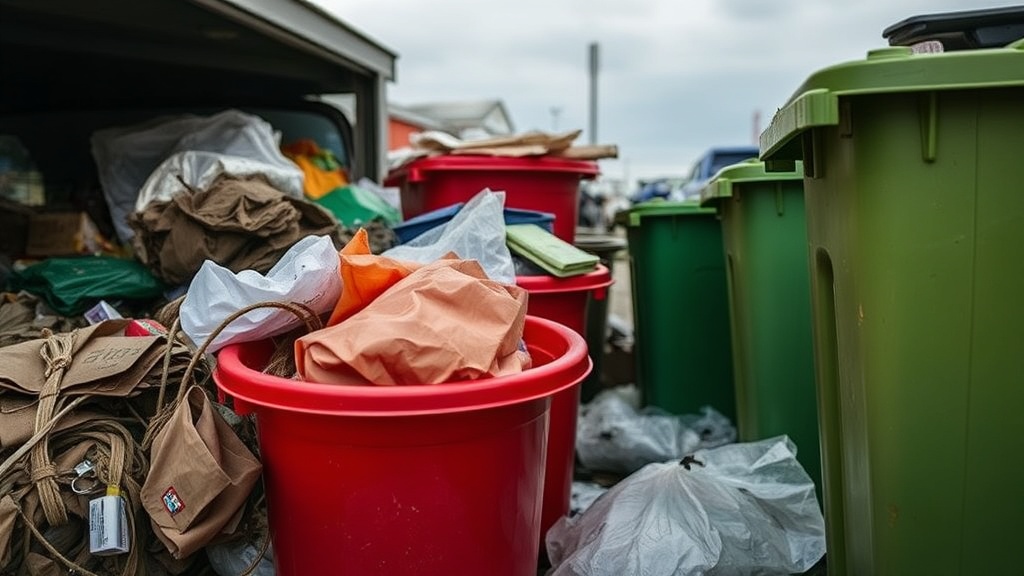
Finding Your Way Through Rimouski's Local Waste and Recycling Systems

You will learn how to correctly sort your household waste, recycling, and organic matter to keep our Rimouski streets clean and compliant with local regulations. Understanding the specific collection schedules and the nuances of what goes in which bin prevents unnecessary fines and keeps our community looking its best.
Living in Rimouski means being part of a community that values its natural surroundings—from the shores of the St. Lawrence to our local parks. However, managing household waste can feel confusing when you aren't sure if a specific piece of packaging belongs in the blue bin or the black bag. We've all been there, standing over the bin, wondering if that yogurt container is truly recyclable in our specific region. Getting this right isn't just about following rules; it's about being a good neighbor and helping our local waste management systems work effectively.
Where does my recycling go in Rimouski?
In Rimouski, the recycling process follows specific guidelines to ensure that materials can be processed efficiently. Most of our common recyclables—like paper, cardboard, and certain plastics—go into the blue bin. However, there are strict rules about what is accepted. For example, certain types of plastic or glass might be handled differently depending on the current capacity of our regional processing centers. If you are ever in doubt, it is better to set it aside than to contaminate a whole bin of clean recycling with non-recyclable waste.
One of the biggest mistakes we see is putting food-soiled items in the recycling bin. A pizza box from a local favorite might look recyclable, but if it's covered in grease, it actually belongs in the regular trash. This contamination can ruin an entire batch of recycling, which is a problem for our whole Rimouski collection route. Always ensure your paper and plastic containers are rinsed out before they hit the bin.
Common Mistakes with Local Waste Sorting
We see a few recurring issues in our neighborhoods—whether you live near the Rimouski Maritime Station or closer to the University. Here are a few things to watch out for:
- Plastic bags: While some plastics are recyclable, thin plastic bags often jam the machinery at processing plants.
- Glass: Depending on the current collection cycle, glass might need to be handled separately or in specific containers.
- Batteries and Electronics: Never throw these in your regular bin! These require special disposal at designated drop-off points in Rimouski to prevent environmental damage.
If you have bulky items or electronics, you shouldn't just leave them by the curb. Our local municipal services have specific protocols for these. You can often find more detailed information regarding hazardous waste through the official Ville de Rimouski website to ensure you are following the latest rules.
How do I know my collection day?
Missing a collection day is a headache, especially if you've already cleaned out your garage or organized your weekly bins. The collection schedules in Rimouski can change due to holidays or extreme weather events. We recommend checking the municipal calendar early in the year so you can mark your calendars. It's not just about the day; it's about the time. Leaving your bins out too early or forgetting them on the curb for too long after collection can lead to issues with local bylaws and neighborhood aesthetics.
For those living in certain sectors of Rimouski, collection might happen on different days than the downtown core. It's a good idea to set a recurring reminder on your phone or a physical calendar. If there's a holiday, the schedule usually shifts by one day. This is especially true during the winter months when snow removal on streets like Boulevard de la Napatie might affect the accessibility of your curb.
What should I do with organic waste?
Managing organic waste is a huge part of keeping Rimouski green. Many of us use compostable bins for food scraps, which is a great way to reduce what ends up in our landfills. However, you have to be careful about what goes into the organic bin. Only certain types of compostable bags are actually accepted. If you use a plastic bag that isn't certified compostable, it will be treated as regular trash or, worse, it will contaminate the compost pile.
If you are a business owner or live in a multi-unit building in Rimouski, the rules for organic-waste management can be even more specific. Large amounts of food waste from local businesses or apartment buildings must be handled according to strict provincial standards. For more information on waste reduction and environmental standards in Quebec, you can visit the Ministère de l'Environnement website.
Properly managing our waste is a collective effort. When we all follow the same guidelines, our local systems run smoother, our streets stay cleaner, and we reduce the burden on our municipal services. Whether you're a long-time resident near the port or a newcomer to the neighborhood, taking a few minutes to learn the local sorting rules makes a real difference for our community.