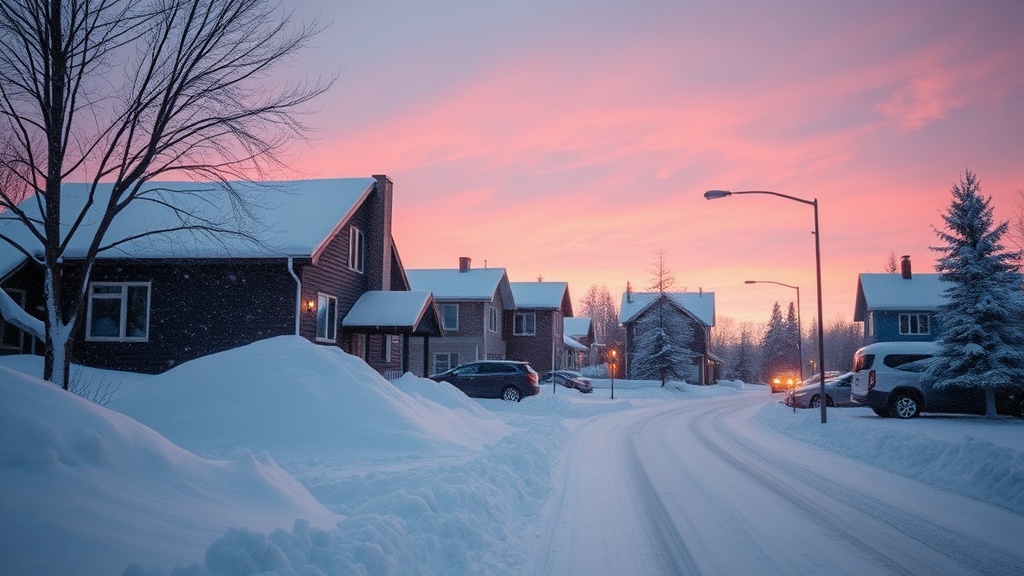
How to Manage Your Rimouski Property After a Heavy Snowfall

Did you know that Rimouski often experiences some of the most intense snowfall-to-wind ratios in the Bas-Saint-Laurent region? It isn't just the amount of snow that catches us off guard; it's the way the wind off the St. Lawrence Sea piles it against our fences and carports. This post covers the specific steps we need to take to protect our homes, clear our driveways safely, and ensure our Rimouski properties stay functional when the white stuff hits the fan.
Living in Rimouski means we have to be prepared for the reality of heavy accumulation. It's not just about shoveling a path; it's about managing a seasonal cycle that affects our heating-oil bills, our car's longevity, and even our relationship with our neighbors. We've seen too many people struggle with blocked entrances or ice patches because they didn't have a plan before the storm arrived.
Where do I get the right tools for Rimouski snow removal?
Before the first snowflake even hits the ground, you should check your equipment. I've noticed that many people in the Rimouski area wait until the storm starts to realize their shovel is cracked or their snowblower is out of fuel. You won't find a hardware store open at 3:00 AM during a blizzard, so get ahead of it.
- The Shovel: Don't just grab a cheap plastic one. A heavy-duty ergonomic shovel helps when you're clearing the sidewalk near Rue Saint-Germain or the snow accumulating in front of your porch.
- The Snowblower: If you're in a larger neighborhood like Pointe-au-Père, a snowblower is almost a necessity. Make sure you have high-quality gasoline and a winter-grade oil.
- Salt and Sand: While some people swear by salt, be careful using it near your landscaping or on the sidewalk in front of the Rimouski Maritime Museum area, as it can damage concrete and plants.
If you're looking for reliable equipment, local stores like Canadian Tire Rimouski or local hardware shops are your best bet to find things that actually withstand our local climate. Don't rely on generic tools that won't handle the heavy, wet snow we often get here.
How can I clear my driveway without damaging the pavement?
One of the biggest mistakes I see in our community is the way people use salt or harsh chemicals. In Rimouski, our freeze-thaw cycles are brutal. If you dump too much salt on your driveway, you're essentially eating away at the surface every spring. It's a cycle that costs much more in the long run.
Instead, try to use a combination of mechanical removal and moderate de-icing. Clear the bulk of the snow with a shovel or snowblower first. Once the heavy layer is gone, apply a thin layer of sand or a specialized de-icer. This keeps the surface grippy without the chemical destruction. If you live near the coast, remember that the wind will blow your salt away, so you might need to apply it more strategically near your entrance or the stairs of your house.
Pro tip: Always clear the snow from your walkways before it freezes. Once it turns into a sheet of ice on a Rimouski street, it's much harder to manage.
Check the Ville de Rimouski official website for any specific municipal bylaws regarding snow removal on your sidewalk. We want to keep our streets walkable and safe for everyone, especially the seniors in our neighborhoods.
What are the safety rules for clearing snow in our neighborhood?
Safety is the biggest concern when the snow is piling up. We've all seen people trying to lift heavy snow-filled shovels and ending up with a back injury. In Rimouski, the weight of the snow can be deceptive—it's often much heavier than it looks because of the moisture content.
- Lift with your legs: This sounds basic, but it's the most important rule. Don't bend at the waist to scoop snow.
- Avoid the wind: If you're shoveling near the coast, the wind can blow snow back into your face, making it hard to breathe or see.
- Watch for ice: After the snow is gone, there is almost always an ice layer underneath. Use sand to prevent slips near your front door.
We also need to be mindful of our neighbors. If you have a large property, make sure you aren't blowing your snow directly onto the sidewalk or the neighbor's driveway. It's a common source of tension in many Rimouski neighborhoods during the winter months. If you're unsure about the rules, you can check the Gouvernement du Québec resources regarding winter safety and municipal responsibilities.
Ultimately, managing a property in Rimouski during winter is a community effort. By being proactive with our tools and being careful with our methods, we keep our neighborhoods safer and more beautiful, even when the weather is at its worst. Let's look out for one another and keep our streets clear and safe.