Living in Rimouski: The Quiet Advantages You Only Notice After Staying

People who pass through Rimouski for a weekend often describe it the same way: calm, scenic, pleasant. All true—and also incomplete.
The real value of Rimouski isn’t obvious on a short visit. It shows up slowly, in the routines, in the way the city works when you’re not trying to extract highlights from it.
This isn’t a guide for tourists. It’s a clearer picture of what Rimouski actually feels like when you live here—or when you spend enough time to notice what others miss.
The Pace Isn’t Slow—It’s Intentional
There’s a difference between a place that is slow because nothing happens, and a place that moves at a deliberate pace. Rimouski is the second one.
Things happen here. Just not all at once, and not all competing for your attention. You don’t get the constant pressure to optimize your time. That alone changes how you experience your day.
People walk more. Conversations run longer. Meals stretch instead of being squeezed between obligations. None of that is accidental—it’s built into how the city operates.
If you come from a larger urban center, the adjustment takes a few days. After that, it becomes difficult to go back to a schedule that feels artificially compressed.
The River Is Not a Backdrop—It’s the Structure
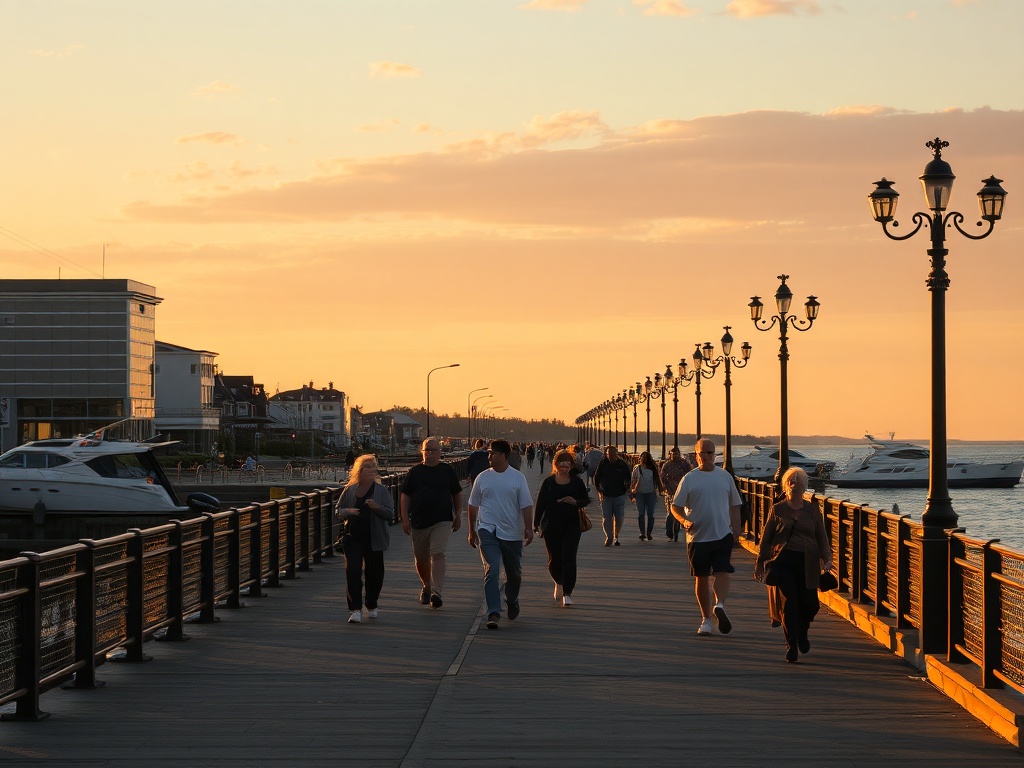
In many cities, water is a feature. In Rimouski, the St. Lawrence River is the organizing principle.
You orient yourself around it without realizing it. It dictates where you walk, where you pause, even how you think about distance. A ten-minute walk along the waterfront feels different from a ten-minute walk inland.
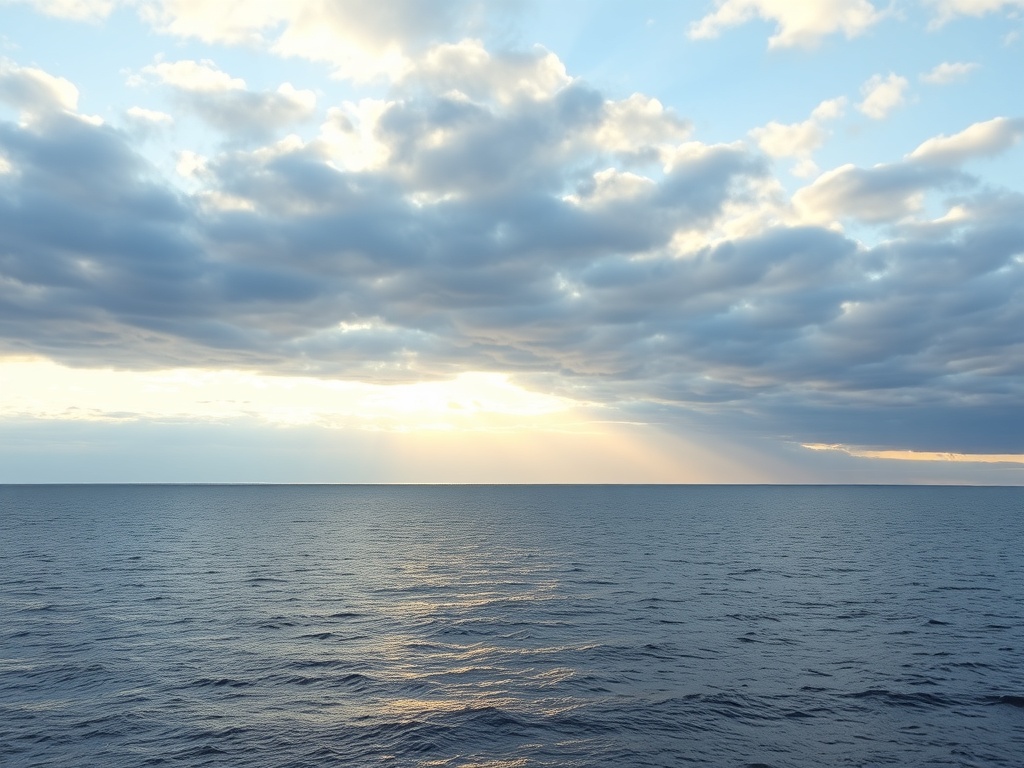
The light changes constantly. Morning is clean and open. Late afternoon softens everything. Even on overcast days, the river gives the city a sense of scale that smaller inland towns lack.
This isn’t something you “visit.” It’s something that quietly shapes your routine.
Food Here Is Better Than It Needs to Be
Rimouski doesn’t market itself as a food destination. That’s part of why expectations stay low—and why people are surprised.
Restaurants here tend to prioritize consistency over experimentation. Menus are focused. Portions are generous without being excessive. Ingredients are local when possible, but not in a way that feels performative.
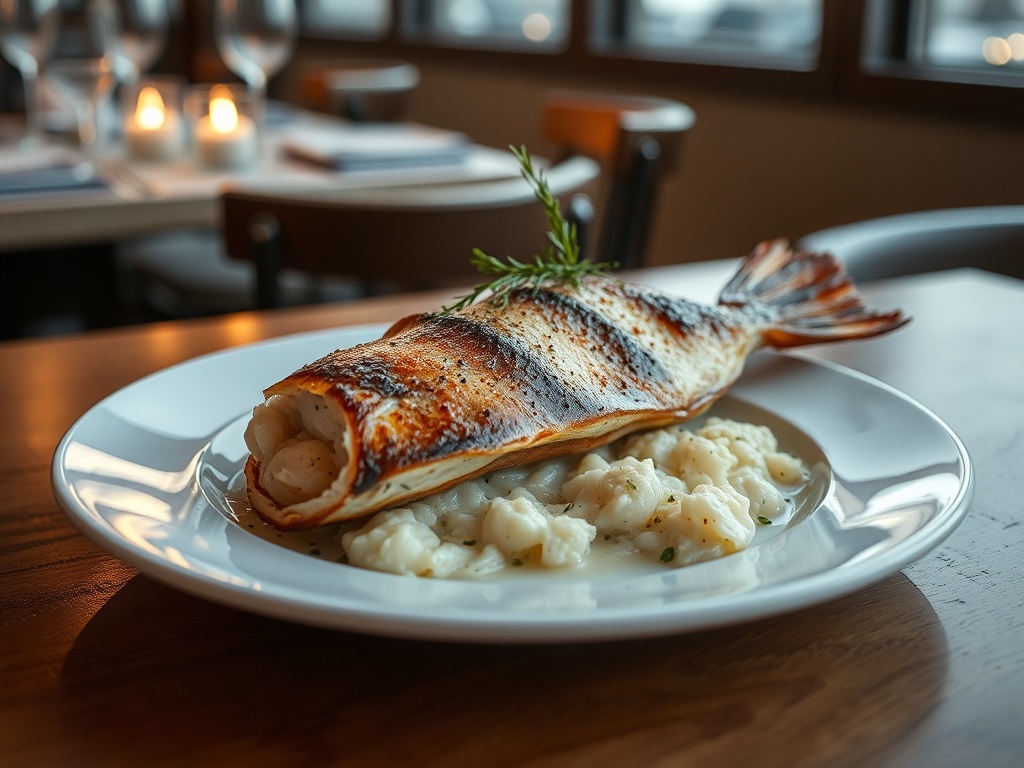
Seafood is the obvious strength, but it’s not the only one. Classic Québec dishes, when done properly, have depth and comfort that hold up over time. You’re not chasing trends. You’re eating things that people actually want to eat more than once.
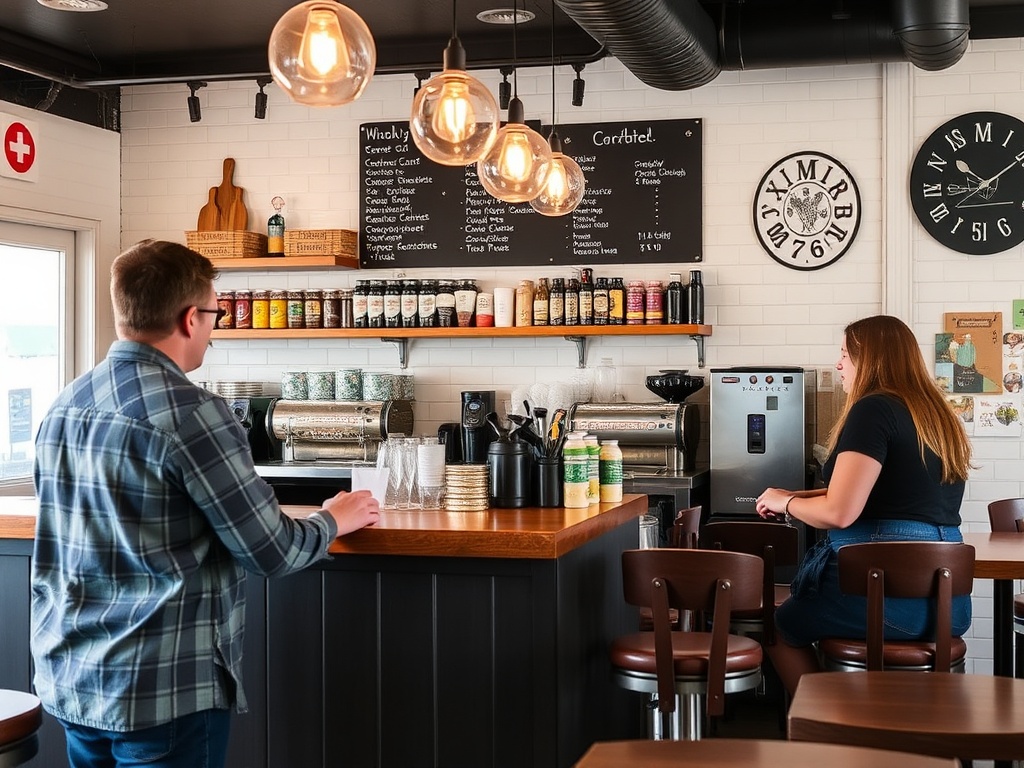
Coffee culture follows the same logic: independent spots, slower service, and an expectation that you’ll stay awhile.
Nature Is Always Within Reach—But Never Forced
One of Rimouski’s strongest advantages is proximity to nature without the need to plan around it.
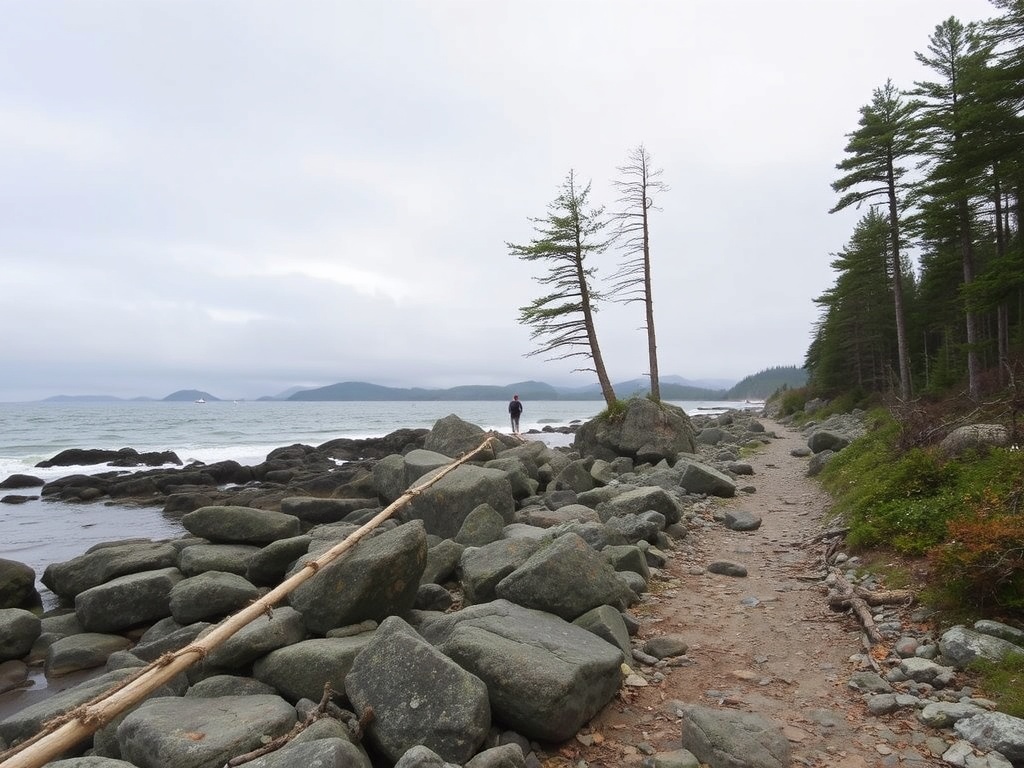
Parc national du Bic is the obvious example, but even without leaving the city, you’re constantly near open space, water, and air that feels noticeably different.
The key difference is accessibility. You don’t need a full-day commitment to get something out of it. A short walk, a quick detour, or even a longer lunch break outdoors is enough.
This changes your baseline. Nature stops being an event and becomes part of your default environment.
Community Feels Smaller Than the Population Suggests
Rimouski is large enough to have options, but small enough that patterns repeat quickly. You start recognizing people, places, and rhythms without trying.
That familiarity builds quietly. The same café staff, the same regulars, the same weekly routines. It’s not insular, but it is consistent.
For some, that’s the main draw. For others, it takes adjustment. Either way, it creates a sense of continuity that’s increasingly rare.
What Rimouski Doesn’t Try to Be
There’s a clarity in what Rimouski avoids.
It doesn’t try to compete with Montréal or Québec City on scale. It doesn’t overload itself with attractions. It doesn’t reinvent itself every season to stay relevant.
That restraint is part of its identity. The city stays recognizable year after year. Improvements happen, but they don’t erase what already works.
If you’re looking for constant novelty, this won’t satisfy you. If you’re looking for stability with enough variation to stay interesting, it holds up.
The Trade-Offs Are Real—and Worth Understanding
No place is entirely balanced, and Rimouski is no exception.
- Fewer options: You won’t have endless choices for everything.
- Weather variability: The river brings beauty and unpredictability.
- Pace mismatch: Visitors used to fast environments may feel under-stimulated at first.
But these trade-offs are directly connected to what makes the city work. You don’t get one without the other.
Why People End Up Staying Longer Than Planned
It’s rarely because of a single standout attraction. It’s because the overall experience feels sustainable.
You can imagine your day-to-day life here without needing to constantly optimize it. That’s a subtle but powerful distinction.
After a few days—or a few months—you realize you’re not trying to “fit things in.” You’re just moving through a place that already makes sense.
Final Perspective
Rimouski rewards attention more than ambition. It’s not a place you conquer in a weekend or summarize in a checklist.
Spend enough time here, and the appeal becomes obvious—not because it tries to impress you, but because it doesn’t need to.