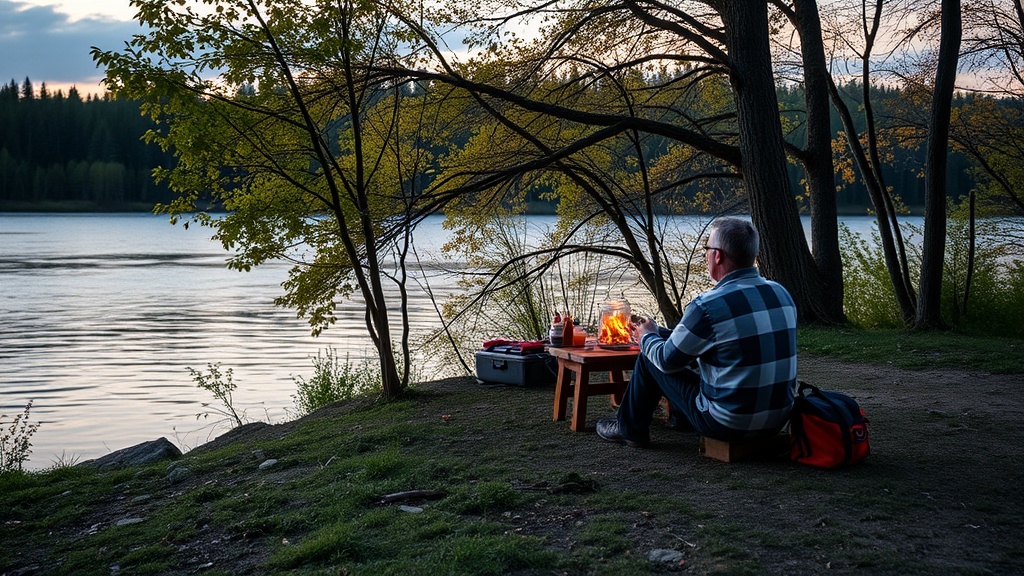
Picking the Perfect Picnic Spot Along the Rimouski River

This guide identifies the best locations for a picnic along the Rimouski River, provides tips for choosing the right spot based on weather, and lists the gear you'll need to stay comfortable. You'll find specific recommendations for both quiet, secluded areas and more accessible parks near the city center.
Where are the best picnic spots near the Rimouski River?
The best picnic spots are located at Parc de la Memoire, the banks of the Rimouski River near the university, and the various sandy stretches near Bic National Park.
If you want something close to the city, Parc de la Memoire is your best bet. It offers paved paths and easy access to the water. It's perfect if you're traveling with a stroller or a group of friends who don't want to hike too far. You'll find plenty of benches, but if you want to spread out a blanket, you'll need to find a patch of grass away from the main walkway.
For something a bit more rugged, I suggest heading toward the riverbanks near the Université du Québec à Rimouski (UQAR). The terrain is a bit more uneven here, but the views of the river are incredible. It's a popular spot for students, so expect a bit of a crowd on sunny weekends. If you want peace and quiet, try to arrive before 11:00 AM.
If you're willing to drive just a bit further toward the coast, the areas surrounding Bic National Park offer a different vibe entirely. The terrain is more dramatic, with rocky outcrops and salt-scented air. It's much more secluded than the urban parks, making it ideal for a solo reading session or a quiet date. Just remember that the wind can pick up quickly out here.
Comparing the Three Main Vibe Types
| Location Type | Best For | Accessibility | Noise Level |
|---|---|---|---|
| Urban Parks (Parc de la Memoire) | Families & Strollers | High (Paved) | Moderate |
| Riverbanks (UQAR Area) | Students & Photographers | Moderate (Grassy) | Moderate/High |
| Coastal Areas (Near Bic) | Solo Retreats & Nature Lovers | Low (Uneven) | Low |
How much does it cost to picnic in Rimouski?
Picnicking in most public areas along the Rimouski River is free, though some specific park facilities or nearby national park entries require a fee.
Most of the spots I've mentioned—like the riverbanks near the university—are completely free to use. You just park your car and find a spot. However, if you decide to venture into the Bic National Park area, you will have to pay the daily access fee. This covers the maintenance of the trails and the incredible biodiversity of the region.
Don't forget to account for your food and drink costs. A simple picnic might only cost you the price of a baguette and some local cheese from the Épicerie de la Gare, but a full spread can add up. It's always smart to check the local weather before you spend money on perishable items like seafood or dairy.
One thing to keep in mind: if you're using a public BBQ pit in certain parks, there might be a small fee or a requirement to purchase wood. Most people just bring their own food and eat it cold, which is much easier. It's less work and zero cost.
What gear should I bring for a riverfront picnic?
You should bring a waterproof blanket, wind-resistant containers, and high-quality sun protection to ensure your comfort.
The weather in Rimouski is famously unpredictable. You might start with blue skies and end up with a sudden sea breeze that feels much colder than the thermometer suggests. I always recommend a heavy-duty blanket—something like a YETI soft cooler or a durable outdoor rug—because the ground can be damp even on sunny days.
Here is my essential packing checklist:
- Wind-proof containers: Don't rely on flimsy plastic bags; the wind near the river will blow them away.
- Insulated water bottle: A Hydro Flask or a Stanley tumbler keeps your drinks cold even if the sun is hitting your bag.
- Weighted napkins: Paper napkins are useless in a breeze. Use cloth or bring heavy-duty wipes.
- Layers: Even in July, a light windbreaker is a smart move.
- Biodegradable trash bags: Leave no trace. The river ecosystem is fragile.
The wind is the biggest factor here. If you're sitting on the bank of the river, it's not just "breezy"—it can be biting. I've seen many people show up with a light t-shirt and end up shivering ten minutes into their lunch. Bring a jacket. Trust me.
The Best Food Choices for the Rimouski Climate
When you're eating outdoors near the water, you have to consider how your food reacts to the elements. You don't want a soggy sandwich or a melted chocolate bar.
- Hard Cheeses: Think aged cheddar or Gouda. They hold up much better than soft brie in the heat.
- Hearty Grains: A pasta salad with vinaigrette is much more stable than a mayo-based salad.
- Fresh Fruit: Apples and oranges are better than berries, which can get crushed in a backpack.
- Sandwiches: Use crusty bread like a baguette. It won't get mushy if your vinaigrette leaks a little.
I've learned this the hard way. There's nothing worse than opening your container to find a pile of mush because the heat or the wind ruined your lunch. A little preparation goes a long way.
If you're looking for high-quality local ingredients to pack, check out the local markets in the city. The official Rimouski website often lists seasonal events where local producers sell their goods. Getting your bread from a local bakery makes the whole experience feel much more special.
One final tip: always check the tide charts if you're planning to sit near the water's edge. The river's movement can be deceptive, and you don't want to be caught by a rising tide while you're finishing your dessert.
If you're planning to use a portable stove or a small grill, make sure you are in a designated area. Most of the parks along the river have strict rules about open flames to prevent forest fires, especially during the dry summer months in Quebec. It's a serious matter out here.
For more information on local environmental regulations and outdoor safety, you can visit the Quebec Ministry of the Environment website. Staying informed helps keep our beautiful riverfront clean for everyone.
Steps
- 1
Check the Tide and Wind Forecast
- 2
Pack Essential Local Snacks
- 3
Choose a Shaded Area