Winter in Our Streets: Understanding Rimouski's Snow Clearing and Parking Rules

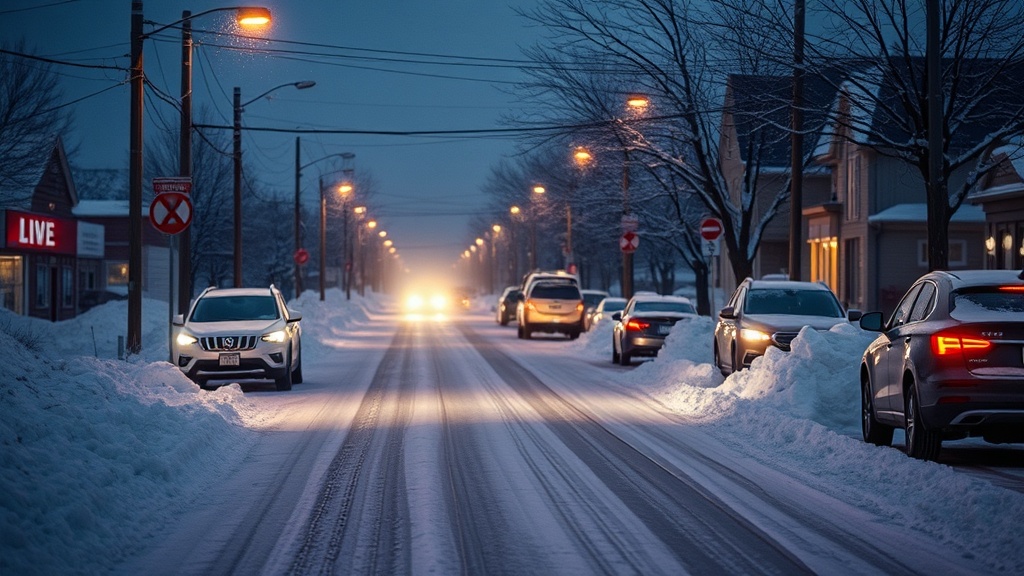
You wake up at 5:00 AM to that familiar low rumble of a heavy engine and the rhythmic scraping of a plow blade hitting the asphalt on Avenue de la Cathédrale. In Rimouski, this isn't just background noise; it's the start of a massive, coordinated effort that keeps our community moving after a classic Bas-Saint-Laurent dumping. We all know the drill—scrambling to check if the car needs to be moved or wondering if the sidewalk in front of our house in Saint-Pie-X will be cleared before the kids head to school. Getting a handle on these logistics is a part of being a resident here, and it’s something that defines our shared winter experience. It isn't just about moving white fluff; it's about public safety, municipal coordination, and the collective patience of everyone living between the river and the hills.
Where should you park when the Rimouski snow removal lights are flashing?
The most common headache for any Rimouski resident during the colder months is the dreaded overnight parking ban. From December 1 to April 1, the city implements strict rules to allow the heavy machinery to do its job without weaving around parked cars. Usually, you can't park on the streets between 11:00 PM and 6:00 AM. However, the city has become more flexible lately with its notification system. Instead of a blanket ban every single night, they often lift it when no precipitation is expected. This is where you have to be proactive. We check the Ville de Rimouski website or call the automated line every evening. If the lights are flashing or the digital notice is up, that car needs to be off the street.
If you don't have a driveway—a common reality for those living in older apartments downtown near Rue Saint-Germain—you need to know the designated public lots. The city provides several "Blue Zones" where overnight parking is permitted even during clearing operations. These spots, like the ones near the Colisée Financière Sun Life or certain lots in Rimouski-Est, are a lifesaver. But don't just leave your car there for days; you still have to move it by the morning deadline so those lots can be cleared too. Ignoring these rules doesn't just result in a ticket; it often leads to your vehicle being towed to a municipal pound, which is a pricey way to start your morning. The tow trucks in Rimouski are incredibly fast, especially when a major storm is rolling in from the Gulf.
Which Rimouski neighborhoods get cleared first during a major storm?
It often feels random when you're staring out your window waiting for the plow, but there is a very specific hierarchy to how our streets are handled. The city's public works department follows a priority list that starts with "Priority 1" routes. These are the main arteries that keep the city's heart beating—Boulevard René-Lepage, Avenue Belzile, and the hills leading up to the Hôpital régional de Rimouski. Because we have several schools and a major hospital, these routes must stay open for emergency vehicles and transit. If you live on one of these main drags, you'll see the plows pass several times before the smaller residential streets even see a single blade.
Once the main roads are under control, the crews move into the residential zones of Nazareth, Sacré-Cœur, and Sainte-Blandine. This is "Priority 2" territory. The goal here is to ensure that every resident can at least get out of their neighborhood. The challenges in these areas are different; narrower streets and more parked cars make the work slow. In Rimouski, we also have to deal with intense blowing snow from the St. Lawrence River. A street that was cleared at 8:00 AM can be completely drifted over by 10:00 AM if the wind is whipping off the water. This constant battle is why you might see the same plow looping through your neighborhood for hours. They aren't just clearing the fresh fall; they are fighting the elements that want to reclaim the pavement.
How does Rimouski manage sidewalk clearing for local pedestrians?
Walking in Rimouski during the winter is a sport in itself. The city uses specialized "chenillettes"—those narrow, tractor-like machines with treads—to clear the sidewalks. These are critical for our community members who rely on walking or transit to get to work. The priority for sidewalks usually mirrors the street priorities, focusing first on school zones and the downtown core near the shops on Rue de l'Évêché. If you've ever walked the Promenade de la mer in January, you've seen how much work goes into keeping that path clear for the brave souls who still take their daily stroll along the water.
A common point of friction for many of us is the "bank" left at the end of the driveway—the *banc de neige*. When the sidewalk plow passes after you've just finished shoveling your entrance, it can feel like a personal attack. But these operators have a massive task, and they can't stop to hand-clear every individual driveway. As a community, we've mostly accepted this as a part of the local contract. Also, remember that municipal bylaws in Rimouski prohibit pushing snow from your private property back onto the public street or sidewalk. It's tempting when you're tired, but it creates a hazard for others and can lead to a visit from a local bylaw officer. Keeping our sidewalks clear is a collective effort that requires us to keep our bins and ornaments back from the edge of the pavement.
The Logistics of Snow Storage and Environmental Impact
Have you ever wondered where all that snow goes? It doesn't just vanish. Rimouski operates several massive snow storage sites, such as the one located in the industrial park area. Throughout the winter, thousands of truckloads of snow are hauled to these locations. It’s a staggering amount of volume. These sites are designed to manage the meltwater in the spring, filtering out some of the road salt and sand before it reaches the local water systems. Because we are so close to the St. Lawrence, our municipal government has to be careful about how much salt is used. You'll notice that on many residential streets, they prefer to use a mix of sand and small crushed stone to provide traction without the heavy chemical impact of pure salt.
This management strategy is something that often gets discussed at city hall. Our local leaders have to balance the budget for these operations—which can run into the millions during a heavy year—with the environmental standards we expect for our region. According to reports from Radio-Canada Bas-Saint-Laurent, the cost of snow removal is one of the single largest variable expenses in our municipal budget. When we have a "green winter," that money can sometimes be redirected to other community projects, but usually, the Bas-Saint-Laurent ensures we use every penny of that snow budget and then some.
| Zone Type | Clearing Priority | Examples of Rimouski Locations |
|---|---|---|
| Priority 1 | High (Immediate) | Boulevard Jessop, Avenue de la Cathédrale, Hospital Zones |
| Priority 2 | Medium (Within 12-24h) | Residential streets in Saint-Pie-X, Nazareth, Sacré-Cœur |
| Priority 3 | Low (Post-Storm) | Dead ends, cul-de-sacs, rural outskirts like Sainte-Blandine |
Community Spirit and the Unwritten Rules of the Storm
Beyond the machines and the bylaws, there is a human element to how Rimouski handles winter. We see it every time a neighbor’s snowblower breaks down or when someone gets stuck in a drift near Parc Lepage. There is an unwritten rule that if you see someone struggling with the heavy, wet snow we often get in March, you stop to help. This community spirit is what makes living here through the cold months manageable. We check in on the elderly residents on our block to make sure their emergency exits aren't blocked by a massive drift. We share tips on which local hardware stores still have salt in stock when a flash freeze hits.
Safety is the top priority, especially when the visibility drops to near zero during a localized blizzard. The city encourages everyone to stay off the roads unless it's necessary during the height of a clearing operation. This isn't just for your safety; it's so the operators can work faster. When they don't have to worry about sliding cars or pedestrians in their blind spots, they can clear a whole neighborhood in half the time. If you do have to be out, give the plows a wide berth. Those operators are working long shifts, often through the night, to make sure the rest of us can get to work safely the next morning. It’s a tough job that deserves our respect, even when they accidentally fill in the driveway we just spent an hour clearing. Taking a breath and realizing we are all in this together is the best way to handle the Rimouski winter blues.